
The order matters. Teams often rush from a SWOT workshop to a list of projects, skipping the hard choices in between. That produces activity, not strategy. A sound process first establishes what is true, then decides what the organization will do differently because of it.
In this article
- What a strategic planning process is
- The 9 essential components
- Inputs, decisions and outputs
- Who should participate
- What should not dominate the process
- Frequently asked questions
“The value of strategic planning is not the volume of analysis produced. It is the quality of the choices made, the resources moved, and the accountability that remains after the workshop ends.”
What is a strategic planning process?
A strategic planning process is the structured work through which leaders assess their position, consider possible futures, choose a direction, allocate resources and define how progress will be reviewed. The process creates a strategic plan, but its deeper purpose is to improve decisions and alignment.
BDC describes strategic planning as a multi-year process for deciding which market opportunities a company will pursue and how. It considers external forces, internal capabilities and organizational culture, usually over a three-to-five-year horizon (Business Development Bank of Canada).
That definition draws an important boundary. Strategic planning is not the annual budgeting process, although the two must connect. It is also not a team exercise designed to make every opinion equally decisive. Leaders invite evidence and challenge; they still make choices.

What should be included in a strategic planning process?
A complete process includes the nine components below. Each one answers a different management question. Removing one can create a predictable weakness: poor evidence, vague choices, unfunded priorities or measures that never influence decisions.
- Planning mandate: Define the questions, scope, horizon, participants, timetable and final decision authority.
- Stakeholder insight: Gather focused input from customers, employees, owners, partners or communities affected by the strategy. Input informs the decision; it does not replace it.
- Current-state diagnosis: Examine financial results, customers, operations, people, technology, culture and past strategic performance. Use baselines, not impressions.
- External analysis: Assess customers, competitors, economic conditions, technology, regulation and plausible changes. Federal Canadian business-research resources provide industry data, labour information, financial benchmarks and trade intelligence.
- Strategic choices: Decide where to compete, how to win and what the organization will stop or decline. Read what a business strategy should decide for a fuller explanation.
- Measurable objectives: Convert the direction into a small number of outcomes with baselines, targets and dates. Include both final results and early indicators.
- Prioritized initiatives: Select the projects most likely to deliver the objectives. The Balanced Scorecard Institute separates strategic objectives, measures, targets and initiatives so projects remain tied to intended results (Nine Steps to Success).
- Resource commitments: Assign budget, people, leadership attention and capability-building. McKinsey warns that planning and allocation processes often produce detail but still fail to align resources with strategy (McKinsey & Company, 2024).
- Governance and review: Name owners, reporting dates, decision rights, escalation rules and the conditions that would trigger adjustment.

How should inputs, decisions and outputs connect?
A disciplined process separates information from judgment. Evidence describes the situation. Executive debate turns that evidence into choices. The final outputs record those choices in a form that guides work, funding and review.
| Stage | What it contains | Required result |
|---|---|---|
| Inputs | Performance data, stakeholder insight, market research and scenarios | Shared diagnosis and tested assumptions |
| Decisions | Options, trade-offs, risk appetite and resource debate | Clear choices about direction and advantage |
| Outputs | Objectives, measures, initiatives, owners and budgets | An executable and reviewable plan |
This distinction prevents a common failure. A leadership team can complete excellent analysis and still avoid a decision. It can also approve a bold direction without funding the work needed to deliver it. Both gaps must be visible before the process closes.
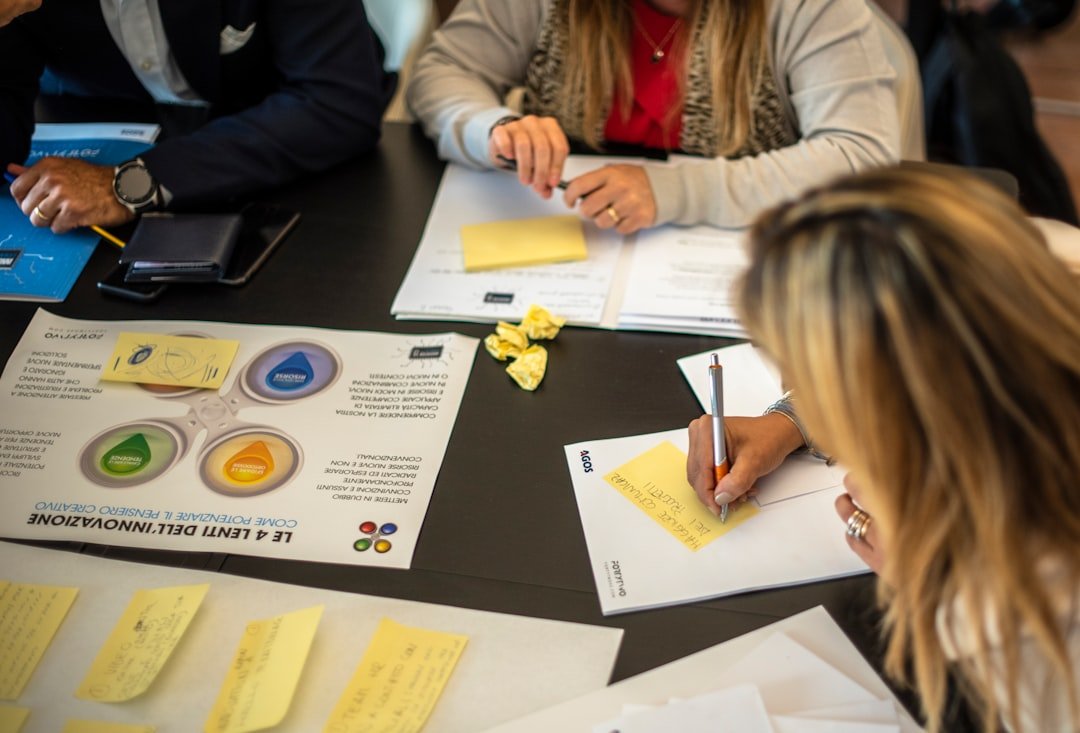
Who should participate in strategic planning?
The CEO or owner should sponsor the process, and the executive team should make the final choices. Finance, operations, sales, people and technology leaders bring evidence about feasibility and impact. Boards govern and challenge where their mandate requires it.
Broader participation should be deliberate. Frontline employees can reveal customer problems and operating constraints that senior leaders do not see. External advisers can test comfortable assumptions. In our consulting work, the strongest sessions are rarely the most agreeable ones. Respectful disagreement catches weak logic before the market does.
For a practical sequence, see our guide on building a strategic plan for a Canadian business.
What should not dominate the strategic planning process?
Templates, workshops and financial forecasts support strategic planning, but none should control it. The process must remain centred on choices, advantage, resources and results.
- SWOT lists: Use them to sharpen a diagnosis, not as the final strategy.
- Consensus: Seek informed commitment, not wording that avoids every disagreement.
- Last year’s budget: Fund the chosen future instead of protecting old allocations by default.
- Too many priorities: A long list hides trade-offs and drains accountability.
- Annual presentation: Build a review rhythm that keeps assumptions and performance visible.

Praevion Consulting Inc.’s management consulting services help leadership teams structure the process, test options and convert priorities into measurable action. Contact Praevion Consulting Inc. to discuss your strategic planning needs.
Frequently asked questions
How long does a strategic planning process take?
A focused small-business process may take several weeks, while a complex organization may need a few months. The duration depends on the questions, available evidence, stakeholder involvement and speed of executive decisions.
What is the most important output of strategic planning?
The most important output is a coherent set of choices linked to resources and measurable outcomes. The document matters only when leaders and teams can use it to make decisions.
Should SWOT analysis be included?
Yes, when it helps summarize internal strengths and weaknesses and external opportunities and threats. It should support diagnosis and option development, not substitute for strategic choices.
References
- Balanced Scorecard Institute. Nine Steps to Success.
- Business Development Bank of Canada. What is strategic planning?
- Business Development Bank of Canada. Strategic planning: definition.
- McKinsey & Company. (2024). Keep calm and allocate capital: Six process improvements.