
An organizational operating model is the practical system that turns business strategy into daily work. It defines how a company creates value through its structure, capabilities, decision rights, governance, processes, people, technology, information, and performance measures. Put simply, strategy says where the business will compete. The operating model explains how the organization will deliver.
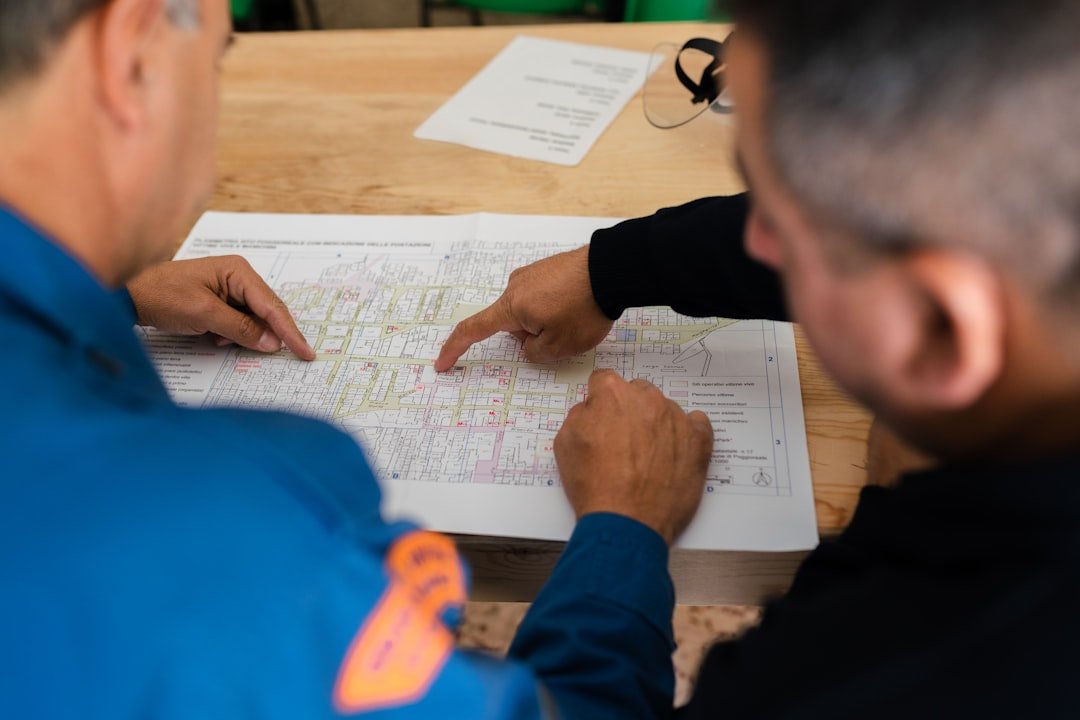
This guide helps Canadian leaders define, assess, and improve the model behind daily execution.
What Is an Organizational Operating Model?
An organizational operating model is a connected set of choices about how work, authority, resources, and information are arranged to produce business results. It is broader than reporting lines. A sound model joins the customer promise to the capabilities and routines needed to keep that promise.
Deloitte defines an operating model as the integrated system that translates strategic intent into how work gets done across the business.
McKinsey’s 2025 research treats the model as 12 linked elements, not a structure exercise. In its survey of 757 senior executives, two-thirds reported an operating-model redesign during the previous two years.
What Are the 7 Essential Operating Model Elements?
A useful organizational operating model should answer seven linked questions about value, capability, accountability, work, resources, information, and performance. The labels vary among firms, but the logic is stable. Changing one element often changes the demands placed on several others.
| Element | Question it must answer | Typical evidence |
|---|---|---|
| 1. Value and customers | Who receives value, and what outcome matters? | Customer journeys, service promise, value streams |
| 2. Capabilities | What must the business be able to do well? | Capability map, strategic gaps, build or buy choices |
| 3. Structure and roles | Where does accountability sit? | Units, reporting lines, role charters, spans and layers |
| 4. Governance and decisions | Who decides, advises, approves, and escalates? | Decision rights, forums, thresholds, meeting rules |
| 5. Processes and service delivery | How does work move from request to result? | End-to-end process maps, controls, service levels |
| 6. People, data, and technology | What skills, information, and tools enable the work? | Workforce plan, data ownership, system architecture |
| 7. Performance and incentives | How will leaders know the model is working? | KPIs, review rhythm, rewards, corrective action |

Canadian SMEs do not need seven thick manuals. A one-page blueprint, role definitions, decision rules, process maps, and a small dashboard can be enough.
How Does an Operating Model Differ From Strategy and Structure?
Strategy sets direction, organizational structure assigns formal reporting relationships, and the operating model connects the full system required for execution. Confusing these ideas leads to weak redesigns. Moving boxes on an organization chart will not repair slow decisions, broken handoffs, missing skills, or conflicting measures.
- Business strategy: Defines customers, markets, value proposition, and priorities. See what business strategy means and why it matters.
- Organizational structure: Shows units, management layers, reporting lines, and authority.
- Organizational operating model: Explains how the entire organization will work together to carry out the strategy.
BDC’s HR planning guidance links job descriptions with accountability and organization charts with communication and authority. These are parts of the model, not the whole model.
How Do You Assess an Organizational Operating Model?
Assess the organizational operating model from strategy to customer outcome, not department by department. Use performance evidence to trace which design choices cause the gap. This prevents every problem becoming a headcount or technology issue.
- State the strategic outcome. Name the customer, financial, operational, or risk result.
- Map value delivery. Follow one product, service, or decision from demand to outcome.
- Locate friction. Measure waiting, rework, duplicate effort, decision delay, and control failure.
- Test the seven elements. Find unclear ownership, missing capabilities, conflicting measures, weak data, or poor system support.
- Choose the smallest sufficient change. Redesign broadly only when the current model cannot deliver the strategy.

Consider an Ontario distributor adding online sales. Separate e-commerce, inventory, pricing, and service targets may damage the customer journey. Shared data, decision rights, and end-to-end measures fix more than moving boxes on the chart.
When Does an Organizational Operating Model Need Attention?
An operating model needs attention when good employees repeatedly compensate for unclear ownership, slow decisions, broken handoffs, or conflicting priorities. Workarounds may hide the weakness for a while. Growth, a merger, a new channel, or new technology usually exposes it.
- Decisions rise too high: Senior leaders approve routine work because authority is unclear.
- Customers cross internal borders: They repeat information as requests move between teams.
- Measures compete: One department meets its target by creating cost or delay elsewhere.
- Key people become bottlenecks: Work depends on memory rather than defined roles and systems.
- Technology adds friction: New tools sit on top of old processes instead of changing how work is done.
If the main issue is an outdated end-to-end workflow, Praevion’s guide explains when business process redesign is justified.
What Should Leaders Remember?
The organizational operating model is a management system, not a presentation. It works only when leaders use it to allocate resources, make decisions, review performance, and resolve trade-offs. The hard test is whether people can act without guessing who owns the result.
“A useful organizational operating model removes guesswork. People should know which result matters, who has authority, how work crosses teams, and what evidence leaders will review. Otherwise, the organization chart is only decoration.”
Frequently Asked Questions
These short answers address the questions leaders usually ask before documenting or changing an operating model. They also separate a genuine design need from a request for yet another organization chart.
What is the main purpose of an organizational operating model?
The main purpose is to turn strategic choices into a clear way of working. It connects customer value with capabilities, accountability, processes, people, technology, and measures.
Is an operating model the same as an organization chart?
No. An organization chart shows formal reporting lines. An operating model also covers governance, decisions, workflows, capabilities, service delivery, information, technology, and performance.
How often should an operating model be reviewed?
Review it during the annual strategy cycle and after material changes such as rapid growth, a merger, a new market, a major technology investment, or repeated performance failure.
Does a small business need an operating model?
Yes, but it should stay practical. A small company may need only a clear blueprint, named process owners, decision limits, role definitions, and a focused set of measures.
Build an Operating Model That Supports the Strategy
If several design problems persist and share a structural cause, review the warning signs that an organization may need restructuring.
A strong model makes strategy visible in everyday choices and measurable results. If roles, processes, governance, and measures have grown apart, contact Praevion Consulting Inc to assess the model and design a practical path from strategy to execution.
Published February 9, 2025. Reviewed for accuracy September 1, 2026.
References
The article draws on current operating-model research and Canadian business guidance. Each source below supports a definition, design element, practical example, or management recommendation used in this article.