
AI risk management gives leaders a practical way to direct artificial intelligence, assign ownership, manage risk, and decide when a use should advance, change, pause, or stop.
This guide is written for Canadian organizations. It separates widely useful governance practice from rules that apply only to specific governments, sectors, provinces, contracts, or activities.
Table of contents
- Define purpose and context
- Identify possible harm
- Classify and prioritize
- Test with representative conditions
- Choose risk treatment
- Prepare monitoring and incidents
- Control vendors and changes
- Retire when evidence changes
- Practical checklist
- Frequently asked questions
- References
“AI risk is not a one-time approval question. It changes when the model, data, vendor, workflow or world changes, so governance must remain active after launch.”
Mehrzad Verdizadegan,
CEO, Praevion Consulting Inc.
Define purpose and context
AI risk management begins with intended use, users, decisions, data, affected people, operating environment, and business objective.
Ask whether a non-AI approach could achieve the goal with lower cost or risk.
Identify possible harm
Consider privacy, discrimination, safety, security, reliability, transparency, intellectual property, workforce, vendor, and reputational effects.
Include foreseeable misuse and use beyond the system’s stated limits.
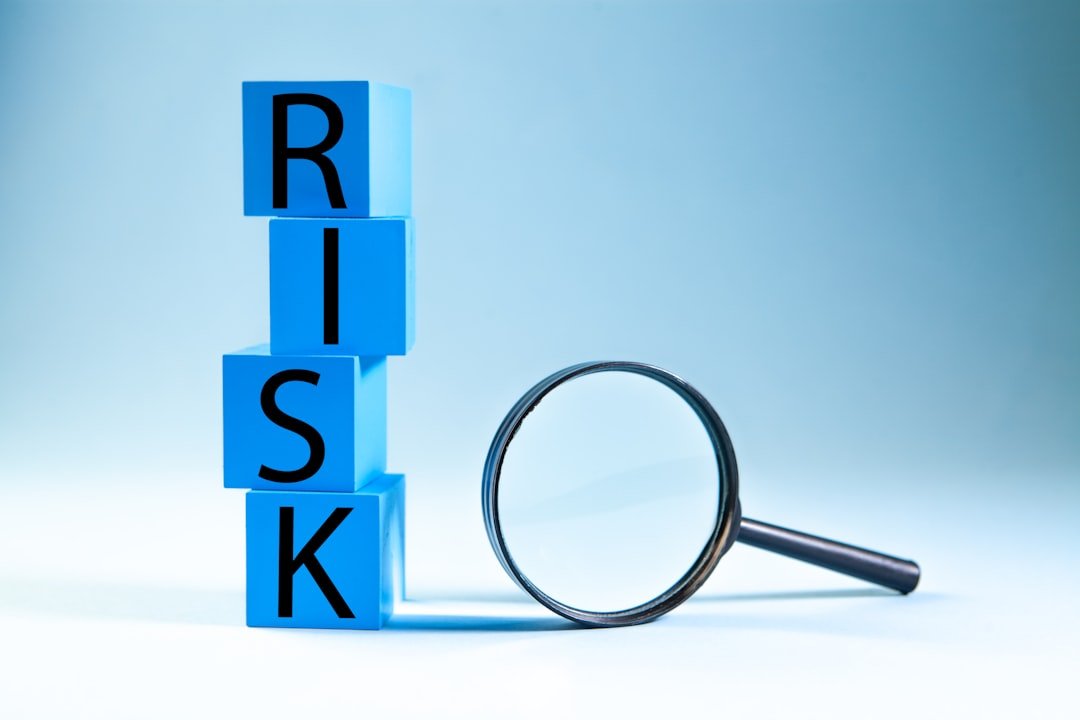
Classify and prioritize
Rate likelihood, severity, scale, reversibility, affected groups, and uncertainty. Apply stronger evidence and challenge to material cases.
NIST’s Map function places risk in context before Measure and Manage activities.
Test with representative conditions
Evaluate normal, difficult, rare, and adversarial cases. Test data quality, system performance, harmful bias, security, and human oversight.
Record thresholds, uncertainty, limitations, and unresolved findings.
Choose risk treatment
Options include avoiding, reducing, transferring, or accepting risk. Acceptance requires named authority and documented residual risk.
A contract can transfer some financial exposure, not moral or legal responsibility for every decision.
Prepare monitoring and incidents
Set business, technical, adoption, and risk measures. Define alerts, complaints, investigation, correction, communication, rollback, and recovery.
Monitoring begins at deployment and continues as conditions change.

Control vendors and changes
Review model updates, data changes, new features, subcontractors, purpose expansion, and cost or service changes.
Reassess when the system no longer matches its approved use.
Retire when evidence changes
Stop systems that exceed tolerance, lose value, cannot be controlled, or have a safer replacement. Manage data, access, contracts, and records during closure.
ISO/IEC 42001 treats continual improvement as part of the management system, not a one-time project.

Questions for the next governance review
Ask whether the purpose is still valid, the owner still has authority, the evidence reflects current operation, and the controls work in practice. Review model, data, vendor, workflow, user, and legal changes. Then record the decision: continue, improve, limit, pause, or retire. This short discipline prevents yesterday’s approval from becoming permanent permission.
AI risk management checklist
- Define the purpose, affected people, business outcome, and accountable owner.
- Record the use in an inventory and classify risk using clear evidence.
- Apply privacy, security, data, testing, human-oversight, and vendor controls.
- Document approval, limits, exceptions, residual risk, and stop conditions.
- Monitor value, performance, adoption, incidents, complaints, and major changes.
- Reassess after changes and retire systems that no longer justify cost or risk.
Related Praevion guidance
- Read the related Praevion governance guide
- Explore the next related article
- Explore Praevion Consulting Inc. digital transformation services
Frequently asked questions
What is the first AI risk question?
Ask what decision or action the system influences and who could be affected.
Can risk be eliminated?
No. Leaders decide which residual risks are acceptable, who may accept them, and how they will be monitored.
How often should risk be reviewed?
Review continuously through monitoring and formally after material changes, incidents, or scheduled risk cycles.
Executive takeaway
How Should Companies Manage AI Risks? The practical answer is to place the right decision with a named owner, require evidence that matches the possible impact, and keep governance active after launch. Strong governance protects people and the organization while giving delivery teams a clear route to responsible use.
To discuss your needs, contact Praevion Consulting Inc..
References
- NIST, Artificial Intelligence Risk Management Framework
- NIST, Generative AI Profile, 2024
- ISO/IEC 42001:2023, AI management systems
- Office of the Privacy Commissioner of Canada, Principles for responsible, trustworthy and privacy-protective generative AI
- Government of Canada, Guide on Departmental AI Responsibilities