

measure AI transformation matters because isolated tools rarely change performance on their own. To measure AI transformation well, organizations need a balanced scorecard that connects technical performance to workflow results, adoption, financial or mission value, risk, and learning. Start with a baseline before implementation and assign an owner to every metric.
This guide focuses on practical leadership choices and uses recognized sources to support the recommendations. The right design will still depend on the organization’s strategy, sector, people, data, and risk profile.
Table of contents
- 1. Business value
- 2. Workflow performance
- 3. Adoption and behaviour
- 4. Model and system quality
- 5. Risk and control effectiveness
- 6. Capability growth
- 7. Portfolio health
- 8. Learning speed
- Practical checklist
- Frequently asked questions
- References
“If leaders measure only model accuracy, they may optimize the technology while the business outcome quietly gets worse.”
Mehrzad Verdizadegan,
CEO, Praevion Consulting Inc.
1. Business value
Track revenue, cost, capacity, loss avoidance, service quality, or mission outcomes that the initiative is designed to change. State whether figures are forecast, validated, or realized.
Include full operating costs such as model use, infrastructure, integration, monitoring, support, and human review. A benefit without ongoing cost is incomplete.
2. Workflow performance
Measure cycle time, throughput, first-contact resolution, rework, error, backlog, wait time, or decision consistency across the whole process.
Whole-workflow measures expose cases where AI accelerates one task but creates more checking or exceptions downstream.

3. Adoption and behaviour
Track eligible users, active use, repeat use, appropriate use, override rates, and completion within the redesigned workflow.
Combine quantitative data with interviews and observation. Low adoption can indicate poor usability, weak trust, missing training, or a product that does not solve the real problem.
4. Model and system quality
Use measures suited to the task, including precision, recall, false-positive and false-negative rates, groundedness, robustness, latency, availability, and drift.
Report performance by important user or case segments. Average results can hide harmful or costly failure patterns.
5. Risk and control effectiveness
Track incidents, near misses, policy exceptions, privacy or security events, harmful outputs, unresolved vulnerabilities, and the effectiveness of human oversight.
NIST AI RMF emphasizes measuring and managing risks in context. Thresholds should trigger investigation, corrective action, or suspension.

6. Capability growth
Measure the number of trained people only alongside demonstrated ability. Review product ownership, data readiness, reusable platform adoption, governance cycle time, and role coverage.
The goal is an organization that can deliver responsibly without relying on a few heroic individuals.
7. Portfolio health
Track movement through delivery gates, time to evidence, percentage stopped, concentration of value, dependency risk, and capacity by skill.
A healthy portfolio stops weak initiatives and shifts resources. A zero cancellation rate often signals weak challenge.
8. Learning speed
Measure how quickly teams test assumptions, receive user feedback, resolve incidents, and improve controls or workflow performance.
Learning speed matters because models, costs, regulations, and business conditions change. Fast, governed learning is more durable than a one-time launch.
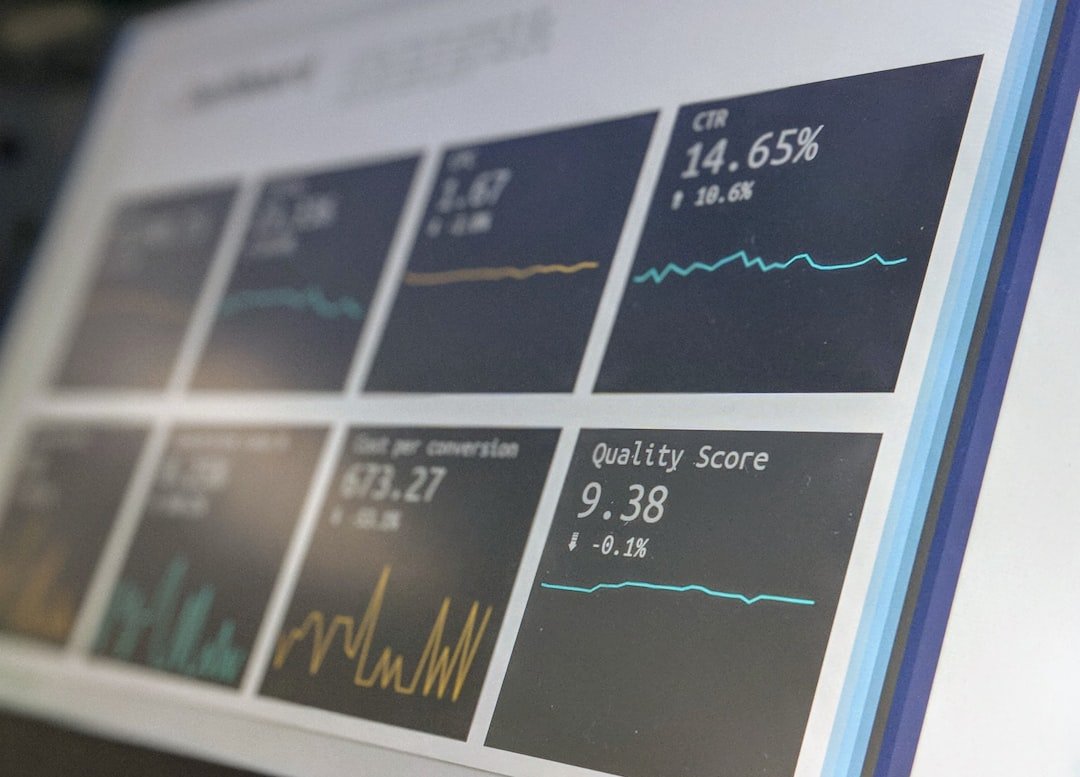
Practical checklist for measure AI transformation
- Define the outcome, baseline, target, deadline, and accountable business owner.
- Map the complete workflow, affected people, important decisions, and exceptions.
- Test value, feasibility, data readiness, adoption effort, and risk before scaling.
- Document intended use, limitations, human oversight, monitoring, and escalation.
- Train people for their actual roles and update procedures, incentives, and support.
- Review realized value and risk regularly, then advance, revise, pause, or stop.
Frequently asked questions
How many metrics should each initiative have?
Use a small set that covers outcome, workflow, adoption, quality, risk, and cost. Add metrics only when they support a decision.
Who validates benefits?
The business owner and finance should agree on the method and verify realized results. Product teams provide operational evidence.
How often should leaders review the scorecard?
Operational teams may review weekly, while executives usually need monthly product reviews and quarterly portfolio decisions.
Executive takeaway
How Should Organizations Measure AI Transformation? The practical answer is to connect AI to owned outcomes, redesign the surrounding work, and use evidence to guide investment. Technology is necessary, but accountable leadership, capable teams, trustworthy data, adoption, and lifecycle governance determine whether change lasts.
To discuss your needs, contact Praevion Consulting Inc..