
Prepare employees for process redesign by involving them in the current-state diagnosis, showing how decisions and tasks will change, practising the future workflow and supporting performance after launch. The goal is not agreement with every design choice. It is informed participation and the ability to perform the new work safely.
Process redesign changes more than a diagram. It can shift authority, workload, handoffs, controls and service expectations. Employees need to see those effects early enough to spot a bad assumption before it becomes an operating problem.
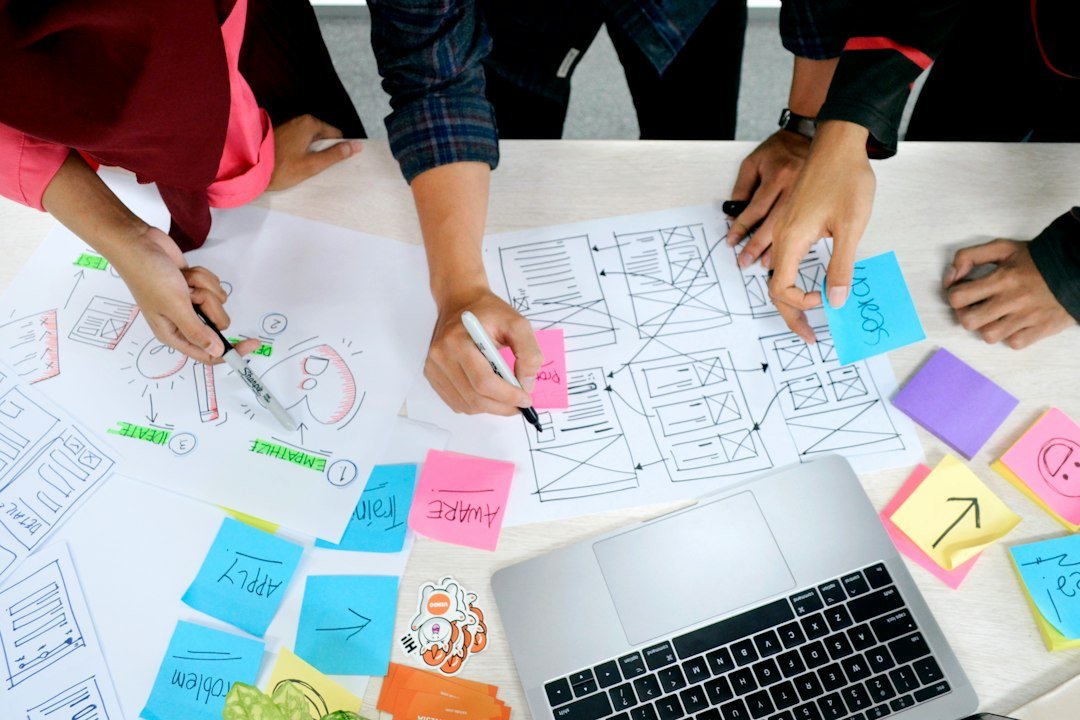
How Do You Prepare Employees for Process Redesign?
Use five connected actions: involve employees, define the future work, assess role impacts, rehearse real cases and provide launch support. Each action should produce evidence that improves a design or reduces a known risk.
- Involve the work: Ask employees where delays, rework and exceptions occur in the current process.
- Show the future state: Explain changed tasks, handoffs, decisions, controls and customer effects.
- Assess each role: Identify skills, access, workload and authority needed for the new process.
- Rehearse: Run normal and difficult cases with realistic data, systems and time pressure.
- Support launch: Provide job aids, named experts, issue triage and manager coaching.
Workplace training is most useful when it reflects the task. The Government of Canada’s Building Essential Skills in the Workplace guidance says training materials are most effective when based on workplace tasks and recommends tracking skill gains, application, productivity, safety and error rates.
“Employees are not a communication audience at the end of process redesign. They are a source of operating evidence from the start, and they need structured practice before the new process carries real consequences.”
What Do Employees Need to Learn Before a Redesigned Process Goes Live?
Employees need task skill, decision judgement, exception handling and a clear understanding of purpose. A step list helps with routine work, but it does not prepare someone for an incomplete form, an unusual customer request or a control failure.
| Learning need | Training method | Readiness test |
|---|---|---|
| Purpose and customer outcome | Short briefing with real service examples | Employee explains why the process changed |
| Task sequence | Guided practice in the actual tool | Employee completes a normal case |
| Decision rules | Scenario discussion | Employee chooses and explains the right action |
| Exceptions and controls | Failure simulation | Employee spots risk and escalates correctly |
| Collaboration | End-to-end team rehearsal | Handoffs work without informal workarounds |
The OECD’s review of training decisions recommends assessing the skills required for business objectives, comparing them with current skills and deciding whether training is the right response. For redesign, that prevents a common mistake: training employees to tolerate a faulty process.
How Should Leaders Manage the Transition?
Run the transition as controlled operating change, with clear cutover decisions and fast feedback. Name who can approve a workaround, who owns defects and which conditions require a pause.
- Before launch: close critical access and training gaps, test the fallback and remove conflicting procedures.
- At launch: reduce non-essential workload, hold short issue reviews and publish decisions.
- After launch: observe work, fix recurring defects and update job aids as the process settles.
Canada’s review of the Transformation of Pay Administration Initiative recommends treating change management as a priority throughout high-risk transformation. It also links leadership to accountability for outcomes and practical attention to people, process and technology.
Praevion Consulting Inc.’s management consulting services connect process design with governance, capability and performance. The corporate training sequence then helps assess, teach, enable and embed the new work.
How Should Process Redesign Readiness Be Measured?
Measure whether employees can perform the future process and whether the design works under real conditions. Track proficiency, cycle time, rework, error, control exceptions, customer impact, help requests and approved workarounds.
Set baselines before change. Review results by role and process stage so an average does not hide a broken handoff. Use employee observations as evidence, then verify them with process data.
Frequently Asked Questions
When should employees join process redesign?
Involve them during current-state diagnosis and future-state testing. Waiting until training removes their best chance to improve the design.
Should every employee help design the process?
No. Use a representative group across roles, locations, shifts and experience levels, then test conclusions with the wider workforce.
What if the redesigned process is still changing?
Delay detailed training until core decisions are stable. Use early sessions for principles and feedback, then update materials before formal proficiency checks.
How long should post-launch support last?
Continue until performance, errors and help needs are stable at an agreed level. Set review points rather than choosing an arbitrary end date.
References
