AI organizational change management is a business and workforce issue before it is a technology metric. This article gives leaders a direct answer, shows what to examine in daily work, and turns the issue into practical decisions.
The recommendations apply to Canadian organizations of different sizes. The right controls and pace will still depend on the use case, affected people, sector, data, and possible harm.
Table of contents
- Build the case around work
- Map current and future workflows
- Assess affected groups
- Engage in two directions
- Prepare leaders and managers
- Change capability and controls
- Measure after launch
- Practical checklist
- Frequently asked questions
- References
“AI change management is successful when the new way of working becomes both useful and governable, not when communication activity is complete.”
Mehrzad Verdizadegan,
CEO, Praevion Consulting Inc.
Build the case around work
AI organizational change management starts with a business problem, not a technology announcement. Define the outcome, current baseline, affected workflow, and executive owner.
People need to know why this work should change and how success will be judged.
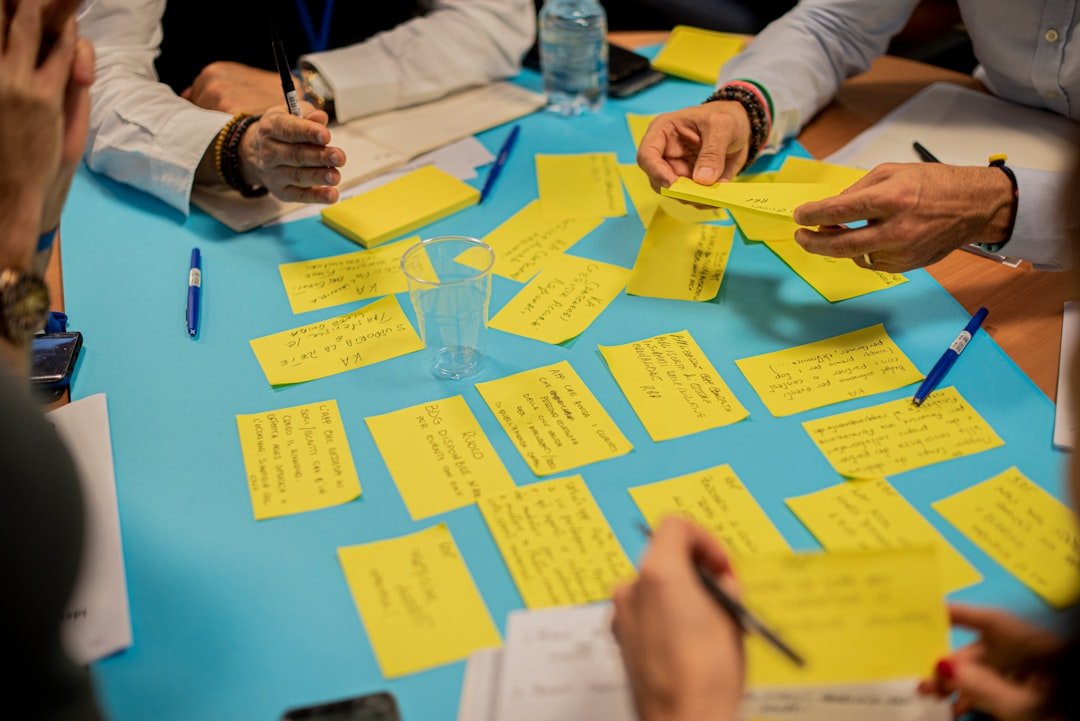
Map current and future workflows
Document decisions, handoffs, exceptions, records, controls, and human review. Identify who gains or loses tasks, information, discretion, or workload.
This work exposes concerns that a communications plan cannot fix.
Assess affected groups
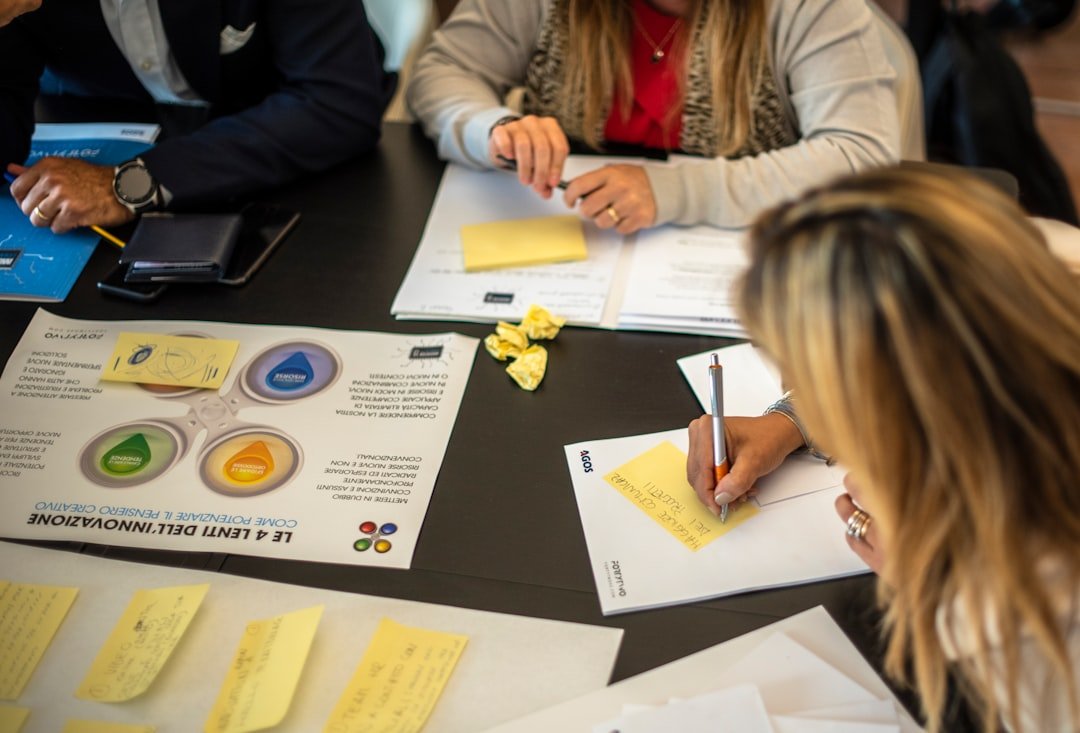
Include users, managers, customers, employees affected by decisions, risk teams, support teams, and partners. Rate impact, readiness, influence, and needed involvement.
High-impact groups should take part before key design choices are locked.
Engage in two directions
Explain benefits, limits, role impact, safeguards, and decision rules. Ask for evidence about friction, workarounds, and possible harm.
Do not treat feedback as resistance to be managed. Some of it will improve the design.
Prepare leaders and managers
Executives must set purpose and boundaries. Managers must adjust workload, coach practice, review quality, and respond to concerns.
Give them practical material and access to the product team, not just presentation slides.
Change capability and controls
Provide role-based learning, approved tools, data rules, verification, oversight, and incident response. Update procedures and performance measures.
NIST calls for clear roles and responsibilities across human-AI configurations. ISO/IEC 42001 connects these practices to continual improvement.
Measure after launch
Track adoption, quality, rework, overrides, workload, employee experience, incidents, cost, and the intended business outcome.
Change does not end at go-live. Adjust the tool, workflow, training, or controls when evidence shows weak value or harm.

AI organizational change management checklist
- Name the business outcome, current baseline, target, and accountable owner.
- Map the affected workflow, roles, users, decisions, and possible harm.
- Use real user evidence to separate value, skill, trust, access, and process barriers.
- Provide approved tools, role-based learning, manager support, and clear safeguards.
- Measure suitable use together with workflow results, total cost, and risk.
- Advance, revise, pause, or stop based on evidence rather than enthusiasm.
Related Praevion guidance
- Read the related Praevion knowledge-hub guide
- Explore the next related article
- Explore Praevion Consulting Inc. digital transformation services
Frequently asked questions
When should change management begin?
Begin during use-case discovery, while employee input can still change the design.
Who should lead it?
The business owner should lead the change, supported by product, HR, communications, technology, and risk specialists.
How long should support continue?
Continue until the workflow is stable, managers can support it, risks are controlled, and outcomes are sustained.
Executive takeaway
How Do You Manage AI-Related Organizational Change? The practical answer is to connect adoption to useful work, prepare people honestly, make responsible use easy, and review value with risk. A launch is only the beginning. Sustained adoption appears when the new workflow works better and people know how to use it well.
To discuss your needs, contact Praevion Consulting Inc..
References
- Statistics Canada, Analysis on artificial intelligence use by businesses in Canada, second quarter of 2026
- OECD, Skills in the AI Age, 2026
- Government of Canada, AI Strategy for the Federal Public Service 2025-2027
- NIST, Artificial Intelligence Risk Management Framework
- ISO/IEC 42001:2023, AI management systems