
workforce AI readiness gives leaders a practical way to decide what to improve before larger AI investment. The page answers the main question directly, then shows what credible evidence looks like and how to turn findings into action.
The aim is not to produce a flattering score. It is to find the few gaps that could block safe adoption, useful results, or responsible scale.
Table of contents
- Map affected work
- Assess role-specific skills
- Measure trust and concerns
- Review training quality
- Check managers and job design
- Test support and feedback
- Create a workforce action plan
- Practical checklist
- Frequently asked questions
- References
“People are not ready because they attended a course. They are ready when they can use judgment, challenge an output, and act safely in changed work.”
Mehrzad Verdizadegan,
CEO, Praevion Consulting Inc.
Map affected work
Identify tasks, decisions, handoffs, knowledge needs, and roles that priority AI uses will change. Speak with the people who do the work, not only their managers.
The OECD AI Capability Indicators compare AI abilities with human abilities across nine areas. That task-level view is more useful than assuming a whole job will disappear or remain unchanged.
Assess role-specific skills
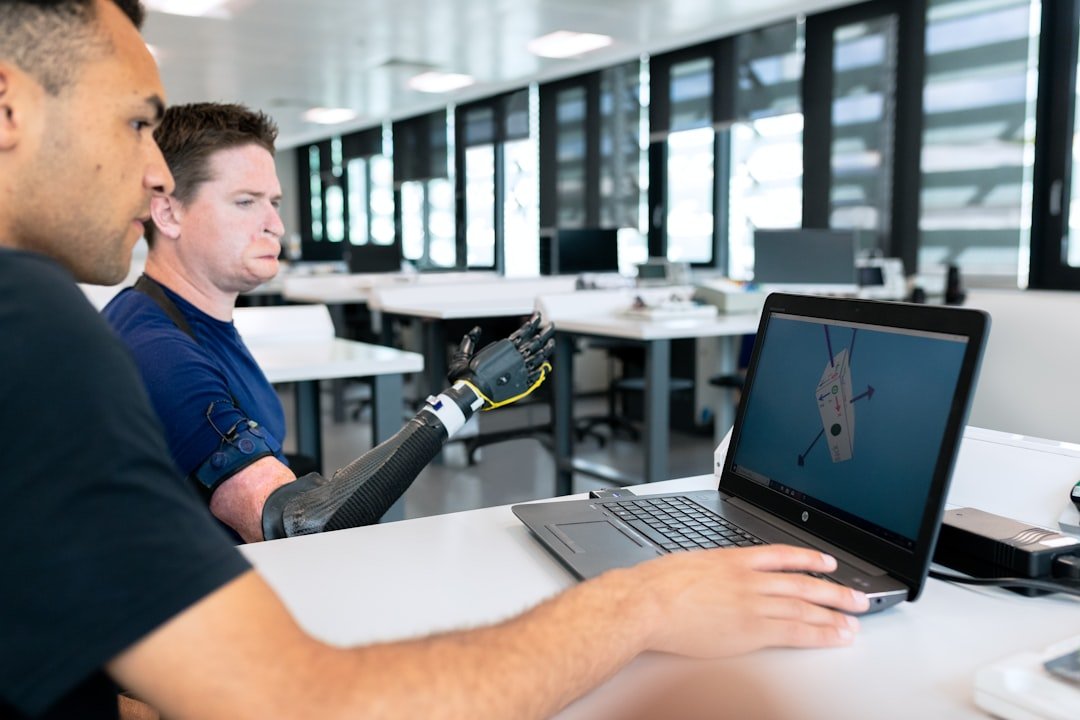
Check whether leaders can set outcomes, managers can supervise new work, product owners can make trade-offs, specialists can build safely, and users can judge outputs.
Use short practical exercises and observed work. Self-rated confidence often differs from demonstrated ability.
Measure trust and concerns
Ask what staff expect, fear, or doubt. Explore privacy, fairness, workload, job security, error ownership, and whether speaking up feels safe.
Do not dismiss resistance. It can reveal weak design, unclear accountability, or a real risk that the project team missed.
Review training quality
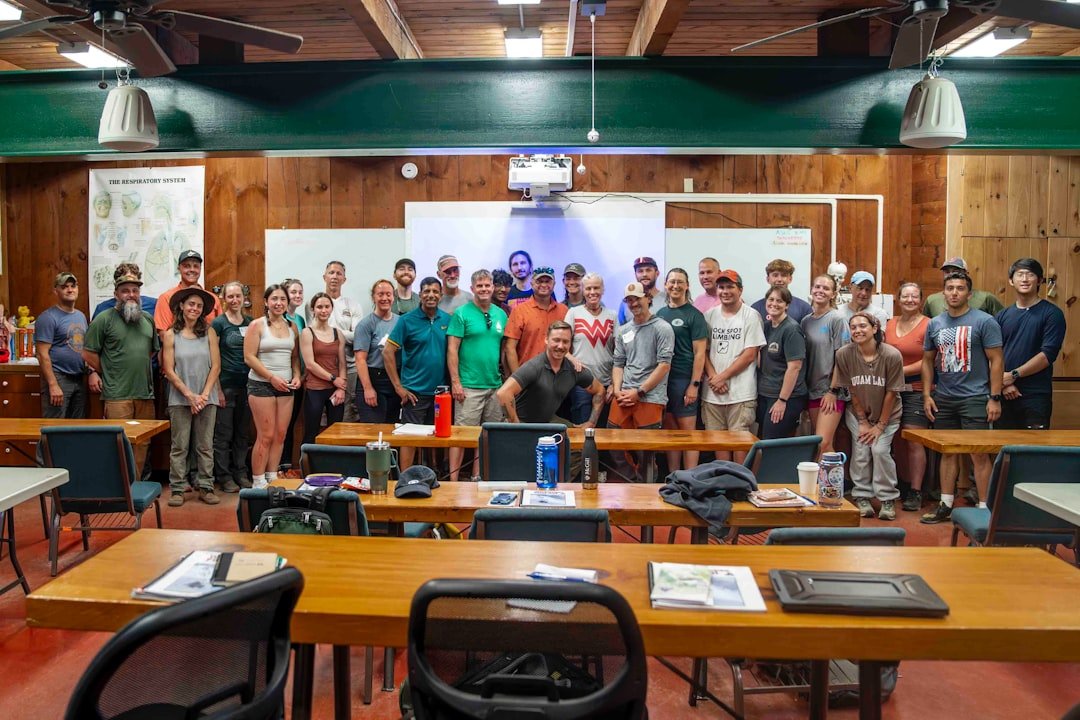
Generic AI awareness is a start, not a readiness programme. Training should use approved tools, real cases, clear data rules, failure examples, and escalation routes.
Statistics Canada reported that 38.9% of AI-using businesses trained current staff in the second quarter of 2025. Readiness improves when learning is tied to changed work.
Check managers and job design
Managers need new routines for quality, workload, exceptions, coaching, and performance. Roles, procedures, targets, and authority may need to change.
If the old performance system rewards the old behaviour, adoption will stall even when staff like the tool.

Test support and feedback
Check access to job aids, help, office hours, communities of practice, incident reporting, and quick product feedback.
A small controlled launch shows where people hesitate, bypass the process, or need more guidance.
Create a workforce action plan
Classify gaps by role and use case. Set learning outcomes, owners, timing, practice tasks, and proof of competence.
Track appropriate use and workflow results, not course completion alone. Review the plan as tools and responsibilities change.
workforce AI readiness checklist
- Define the business decision, scope, planned uses, and accountable owner.
- Use written criteria and request proof for every important rating.
- Assess real workflows, not only enterprise policy or executive opinion.
- Separate blockers, near-term improvements, and later capability needs.
- Give each action an owner, deadline, expected evidence, and review date.
- Repeat the review after meaningful change and compare evidence over time.
Related Praevion guidance
- Read the related AI readiness and maturity guide
- Explore the next practical assessment topic
- See Praevion Consulting Inc. digital transformation services
Frequently asked questions
Should every employee receive the same training?
No. Give all staff basic safe-use guidance, then tailor deeper learning to their roles and exposure.
How can trust be measured?
Use interviews, surveys, observation, adoption data, override patterns, error reports, and willingness to raise concerns.
Does readiness mean accepting AI?
No. Ready staff know when to use it, when not to use it, and how to challenge or escalate an output.
Executive takeaway
How Do You Assess Workforce AI Readiness? The strongest answer rests on evidence from live work. Leaders should connect every score to a decision, focus on the constraint that matters most, and fund a short list of owned improvements. That approach is slower than ticking boxes for a day. It is also far more useful.
To discuss your needs, contact Praevion Consulting Inc..